Seven card stud rules reward patience, memory, and a willingness to fold what looked like a sure thing three streets ago. In a card room off Crown Street, Wollongong, the regulars will tell you stud separates the tourists from the grinders faster than any other variant. If you have ever wondered whether the format suits your style, here is the honest read on three player profiles who thrive – and the one who usually walks out of the venue a little lighter in the wallet.
What the Format Actually Demands From You
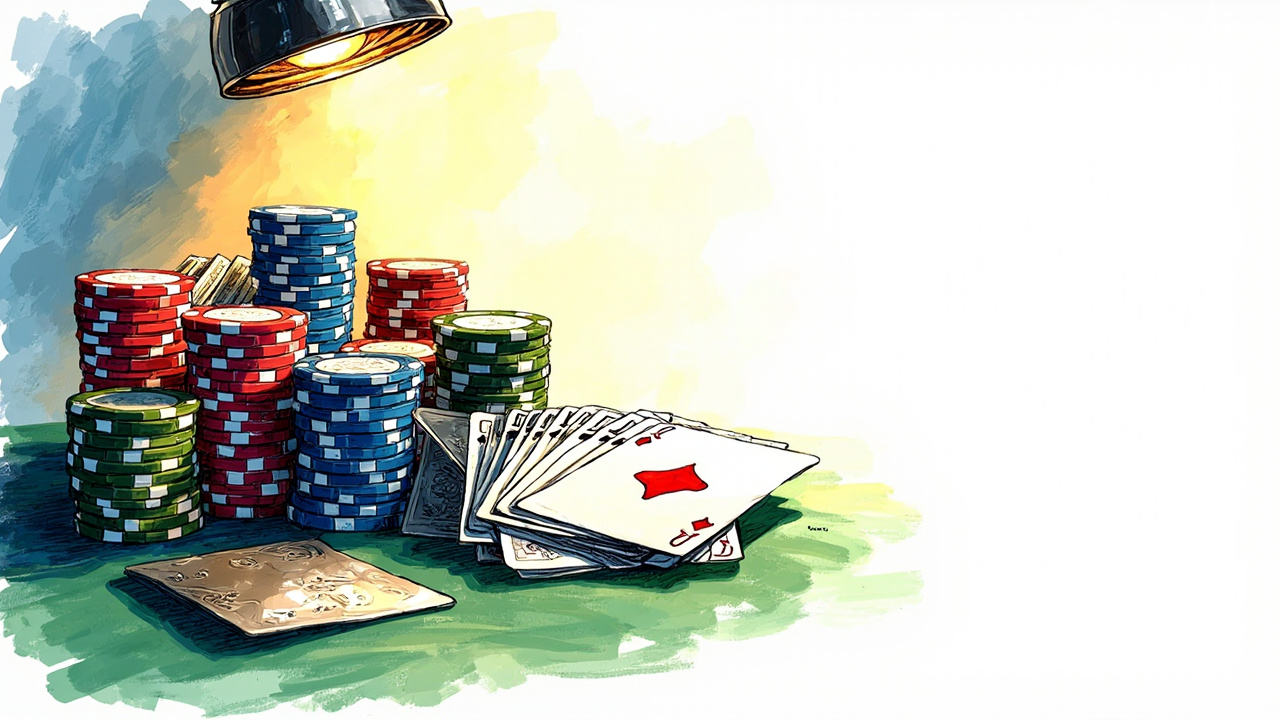
Seven card stud rules run on a five-round structure: ante, third street, fourth street, fifth street, sixth street, and the river showdown. You receive seven cards total – three face down and four face up – with the best five-card hand claiming the pot. Unlike hold’em, there is no community board, which means memory becomes a real edge rather than a soft skill. The bring-in on third street is the first mandatory action, then play rotates left with fixed-limit bets on each street that follows. Most local rooms run the format at $5/$10 with a $1 bring-in, though the rules behave identically at any stake.
I caught up with a poker room manager who runs a small Wollongong league on Thursday arvos, and she put it the way only an operator can. “The upcards are your broadcast, your downcards are your private media buy. Most rookies stare at the wrong half of the table.” Her point sticks: in stud, the visible cards shape the betting as much as your hidden ones do. Treat every face-up card as a sponsorship signal – does the opponent have a hand worth backing, or are they buying attention they cannot afford?
Stud veterans will tell you the same lesson applies off the felt: study the structure before the money moves, which is why curious players warm up through demo access at wanted-dead-or-a-wild-demo-au.com to study the betting round pacing without ever staking a cent on a live hand. Newcomers who realise this on night one tend to outlast those who do not, and the framework itself is straightforward on paper – though the discipline required to fold a beautiful-looking pair of nines on fourth street when two opponents are clearly live is anything but standard behaviour.
The Strategist: Built for This Format
The disciplined strategist treats seven card stud rules the way I treat a multi-year sponsorship contract: secure the position early, control the narrative, and never overpay for an asset you cannot monetise. This profile reads upcards like a programming grid, tracks every door card and folded hand, and waits for a value spot before committing chips. The fixed-limit structure suits the strategist because the betting sizes are predictable, and the pot odds on every street can be calculated without theatrics or favour-trading.
What separates this fit from the rest is the tolerance for boring stretches. Stud delivers long periods of fold-fold-fold, punctuated by sudden escalation when a strong hand connects on fifth or sixth street. The strategist does not flinch through the dead air – they treat it the way a brand treats off-season: still on the books, still building equity, just not making the kind of noise that gives away the colour of their hand. When the third spade hits fourth street and the table wakes up, this player already knows the exact range of hands that beat them and the price they need to call.
In partnership terms, the strategist’s bankroll behaves like an annual media rights fee: steady, allocated, and renewed only when the math supports the renewal. They keep notes, they study opponents, and they walk out of the venue with a result that matches the prep. The rules reward this profile because every visible card is a data point, and the format hands you more data per hand than any hold’em room in the country.
Where the Format Tests You: Two Other Profiles
For every strategist the rules favour, one profile walks in confident and walks out frustrated. The action junkie treats every hand like a halftime sponsorship spot – loud, fast, all attention. Fixed-limit betting caps the splashy raises, and the absence of community cards means you cannot “buy” a hand on the flop with one big move. The junkie bleeds chips through a session the strategist would have folded in three hands.
The social cardsharp fares better, but stud does not flatter this profile either. The format rewards quiet observation over conversation, and the slow build from seven cards to five turns a poker night into a long evening. A quick read on what you are signing up for:
- The bring-in is forced; your position to it matters more than your seat at the table.
- Three downcards, four upcards, no community board, no flop in the hold’em sense.
- Fixed-limit bets on fourth, fifth, sixth, and seventh street keep the math clean.
- A pair in the hole plays like a starting brief, not a finished deal.
If your home doubles as the venue, the atmospherics matter. With the right setup, a small Wollongong home game can feel closer to a proper card room than a kitchen-table flop. Players running these nights can borrow a few home casino night styling tricks from event guides to make a casual session look and feel closer to the real thing. The rules do not care about the furniture, but the players do.
Seven card stud rules will not flatter every player who sits down, and that is the point. Match your profile to the format before you match your chips to the pot – the strategist wins, the junkie donates, and the social cardsharp has a favourite arvo either way. Read the upcards, manage the downcards, and walk into the room with the same brief you would take into a sponsorship negotiation: clear targets, real numbers, no bluff.